Read More
Rosie was featured on CTV news again! Find both her features to see her progress.
CTV News Coverage

Sanctuary Spotlight
Read More
One person can truly make a difference, and if you're ready to help, that person can be you!
Urgent Action Items


hello@lilysplace.ca
contact / e-transfer
506-808-1950
call / text


Education Learning Hub
Farmed Animals • Sanctuaries • Education


This page brings together the learning and educational side of Lily’s Place.
Farmed animal sanctuaries are still unfamiliar to many people, and questions often arise about the animals themselves, the role sanctuaries play, and how this work connects to communities, education, and the wider world.
The Learning Hub is a growing collection of information and resources for anyone interested in understanding more about farmed animals, sanctuaries, and the educational work developing around this field.
Why This Hub Exists
Over time, Lily’s Place has heard from teachers, students, families, volunteers, and community members who are looking for clear, classroom-friendly and community-friendly ways to learn about farmed animals and sanctuaries.
At the same time, there are very few resources in Atlantic Canada that focus on this topic outside of agricultural or veterinary contexts.
This hub is a place to gather and share materials that help fill that gap.
If at anytime you'd like to speak with our Education Specialist, Sarah Sinacore, please reach out to her via email at outreach@lilysplace.ca
Welcome
Farmed Animals
jump to
Sanctuaries
Education
Every animal at Lily’s Place has a story and they’re safe here because people care. Get the classroom-friendly lesson plan (and sub plan) for teachers who want to take their students through our Lovely Letter To A Resident lesson plan (and sub lab).
We’ll be sharing some of the letters with our residents and reading a few out loud in the barn!
Write a Lovely Letter to a Resident!
Write a Lovely Letter to a Resident!
featured • lesson plan
FREE LESSON PLAN
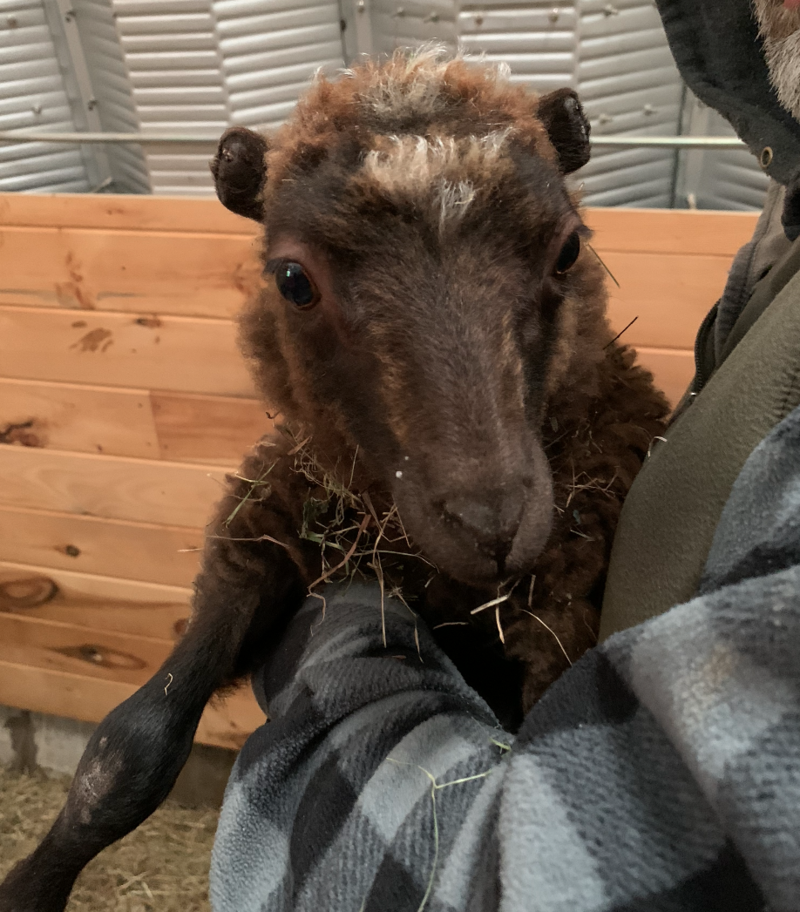
Many people are curious about farmed animals but have few opportunities to learn about their lives beyond brief or indirect encounters. Sanctuaries offer a different lens, making it possible to see what day-to-day life looks like over months and years as animals settle into safety and routine.
This section will share information that helps build a clearer picture of farmed animals as individuals with their own personalities, relationships, and long-term needs. Stories and real examples from sanctuary life will help connect learning with lived experience and encourage thoughtful curiosity about the animals who live here.
Farmed Animals
Lesson Plans
More Resources

Farmed animal sanctuaries are a small and often unfamiliar part of the animal-care landscape. Many people encounter the idea of sanctuary for the first time and wonder how it differs from shelters or rescues, what lifelong care involves, and what it takes to support animals over many years.
This section will share information that helps explain how sanctuaries function in practice — from daily care and long-term planning to the community support that makes this work possible. Over time, it will grow into a collection of resources that offer a clearer picture of the role sanctuaries play and the realities behind sustaining lifelong refuge.
Sanctuaries
Presentations
More Resources

Learning about farmed animals and sanctuaries happens in many different settings, from classrooms and libraries to homes and community spaces. As interest in this topic continues to grow, so does the need for materials that are practical, accessible, and easy to use in a variety of learning environments.
This section will bring together resources designed to support educators, students, families, and independent learners. Over time, it will grow into a collection of lesson plans, printable materials, reading lists, and classroom-friendly tools that make it easier to explore these topics in thoughtful and age-appropriate ways.
Education
Lesson Plans
More Resources
Contacts

skill number Four
skill number Three
skill number Two
skill number one

This Showit Canvas Kit is meant to help speed up design time while building templates and elevate your designs as much or as little as you need. Happy creating! Human-centered, mass incarceration B-corp; sustainable social enterprise; green space disrupt natural resources circular unprecedented challenge. big data storytelling framework; improve the world granular thought provoking natural resources theory of change youth.
About [Full Name-Here]

