The minister’s comparison to dogs and cats is deeply misleading.
If the minister were talking about animals’ ability to suffer, or our responsibility to care for the species we have domesticated and made dependent on us, then yes, the comparison would be fair. But that’s not what he is doing. He is pretending that the service environment for cats and dogs to receive care is interchangeable with that for horses, goats, and other large animals.
Large-animal care requires travel, field calls, on-site treatment, specialized handling, longer distances, and a veterinarian willing and able to work under conditions that look very different from clinic-based small-animal care.
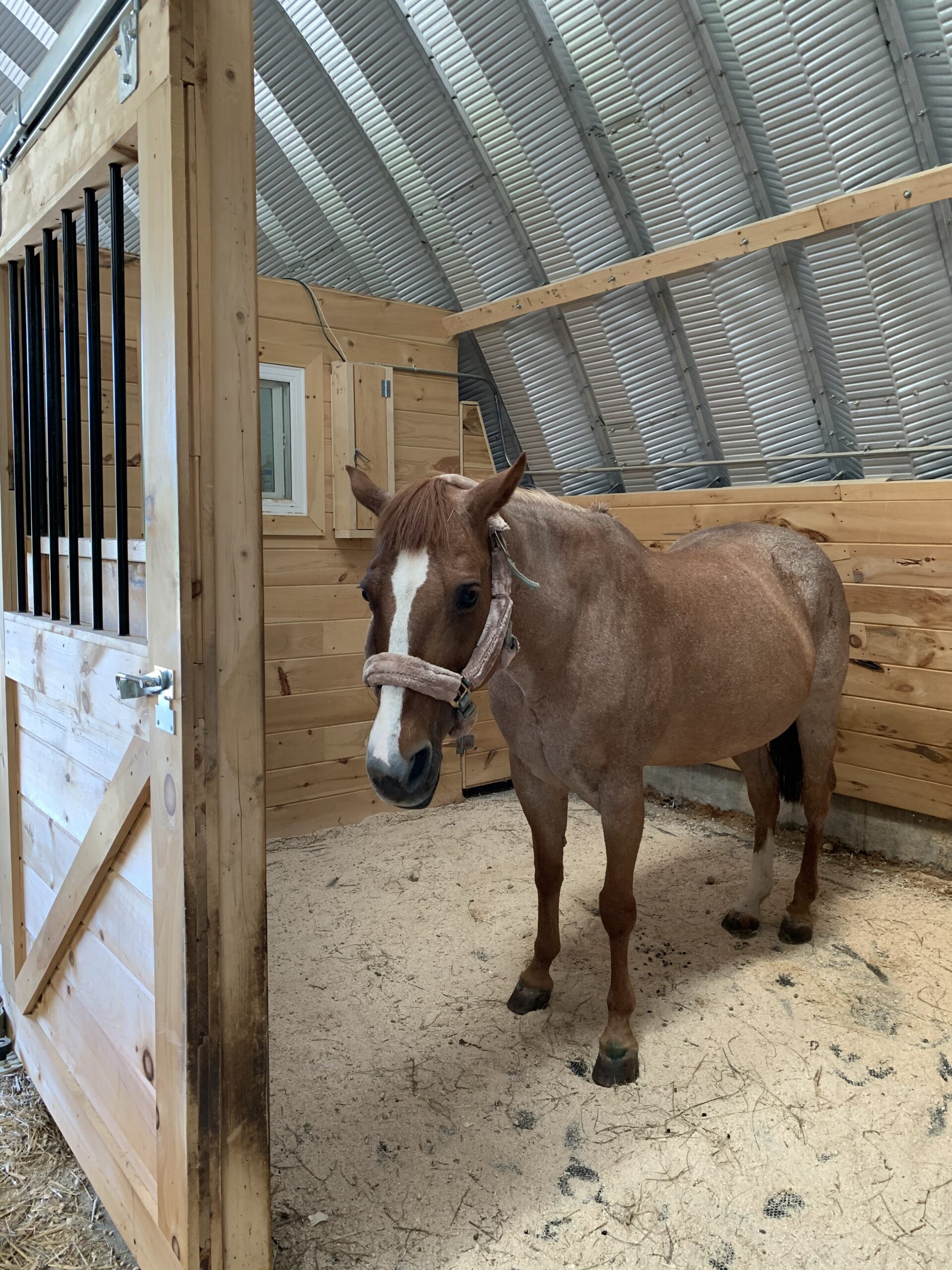
A large-animal vet often does not walk into a controlled exam room with proper lighting, equipment, trained staff, or an animal that can be lifted onto a table. They are driving long distances between farms and rural properties, in all weather conditions, on rough roads, and under time pressure. They may arrive to treat a very large animal in a barn, field, paddock, or shelter with limited restraint, uneven footing, poor lighting, mud, ice, cold, heat, noise, and few hands available to help.
It takes a very special person to do the work of a large animal vet in NB.
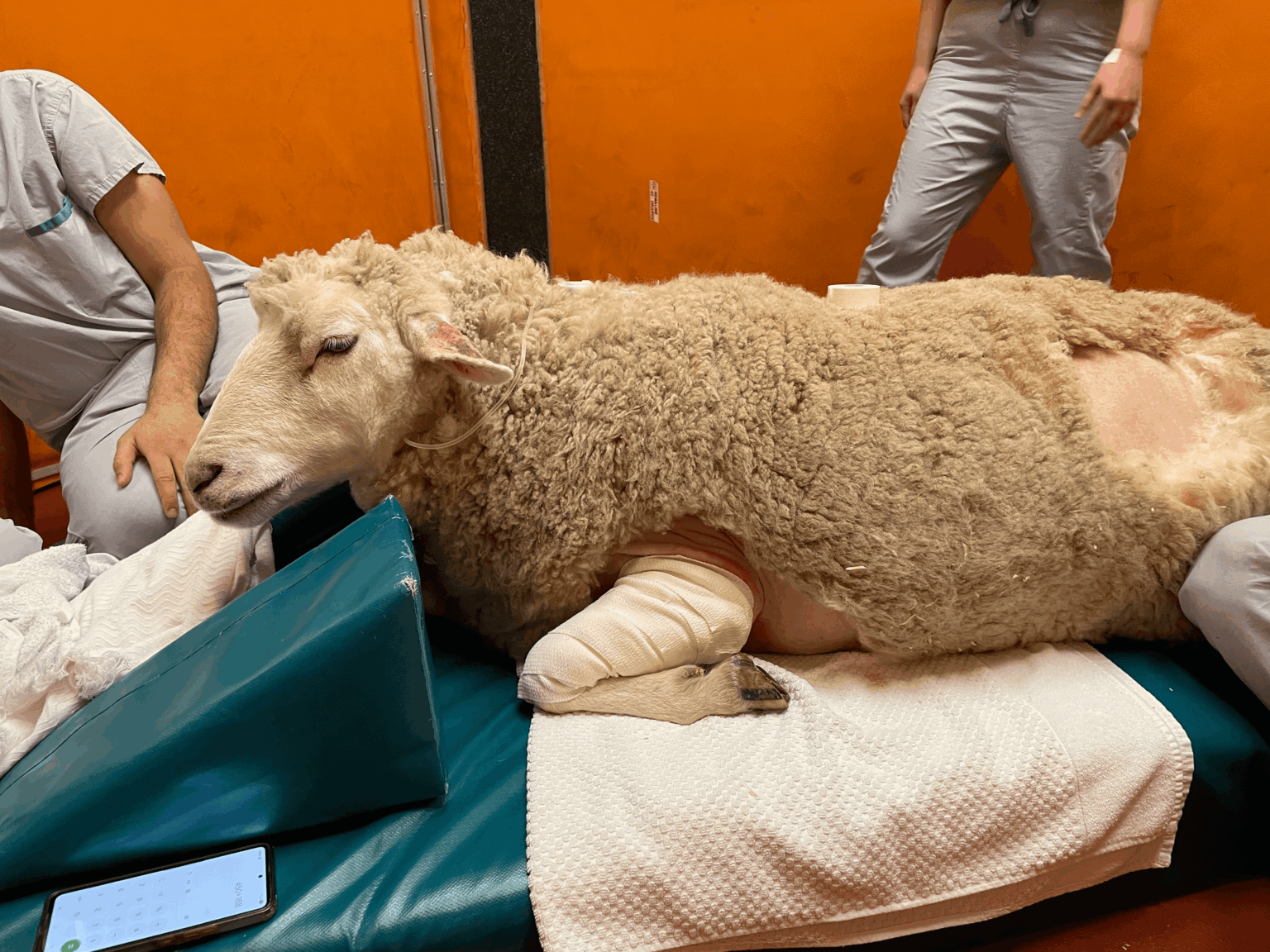
The animals themselves also change the nature of the work. Horses, cattle, sheep, and goats are strong, heavy, and not always predictable when they are frightened, in pain, or distressed. That makes examination, treatment, transport, and euthanasia more complex and more dangerous. Even routine care can pose greater physical risk when the patient weighs hundreds or thousands of pounds and cannot simply be moved into a treatment room.
Then there’s the fact that large-animal vets bring the clinic with them: medications, tools, diagnostic supplies, protective gear, and equipment for field treatment. They may be working alone or with minimal support. They may need to make judgment calls on-site, far from a fully equipped facility. In many rural areas, they cover wide territories, which means more travel time, fewer appointment slots, more on-call pressure, and harder decisions about who can be reached in time.
And we’re supposed to accept the idea that keeping our vets & lab services in place isn’t worth 0.032% of the provincial budget? Or isn’t work a look at how to make that cost work for the province?
Related
Discover more from lilysplace.ca
Subscribe to get the latest posts sent to your email.