Read More
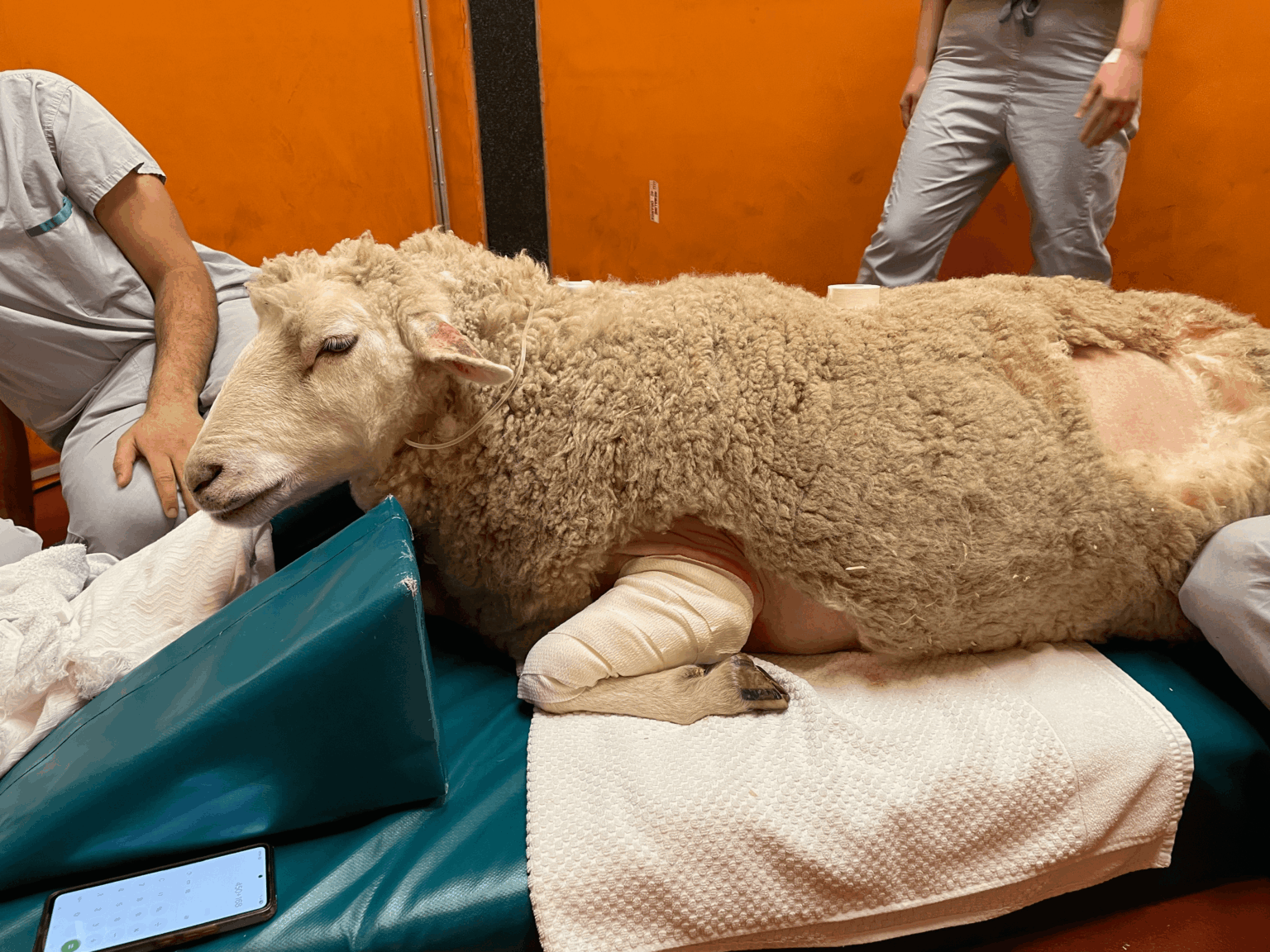
Rosie was featured on CTV news again! Find both her features to see her progress.
CTV News Coverage

Sanctuary Spotlight
Read More
One person can truly make a difference, and if you're ready to help, that person can be you!
Urgent Action Items


hello@lilysplace.ca
contact / e-transfer
506-808-1950
call / text
What New Brunswick Stands to Lose by Cutting Provincial Veterinary Services
March 21, 2026
Lily's Place
/
Blog
/
Date posted:
What is 0.032% of $15.63 billion?
That’s the cost of running New Brunswick’s provincial veterinary field services and laboratory services.
$15.63 billion is the total provincial budget.
0.032% of it is the portion of the budget that supports large animal veterinary care, disease screening, and lab services across this province.
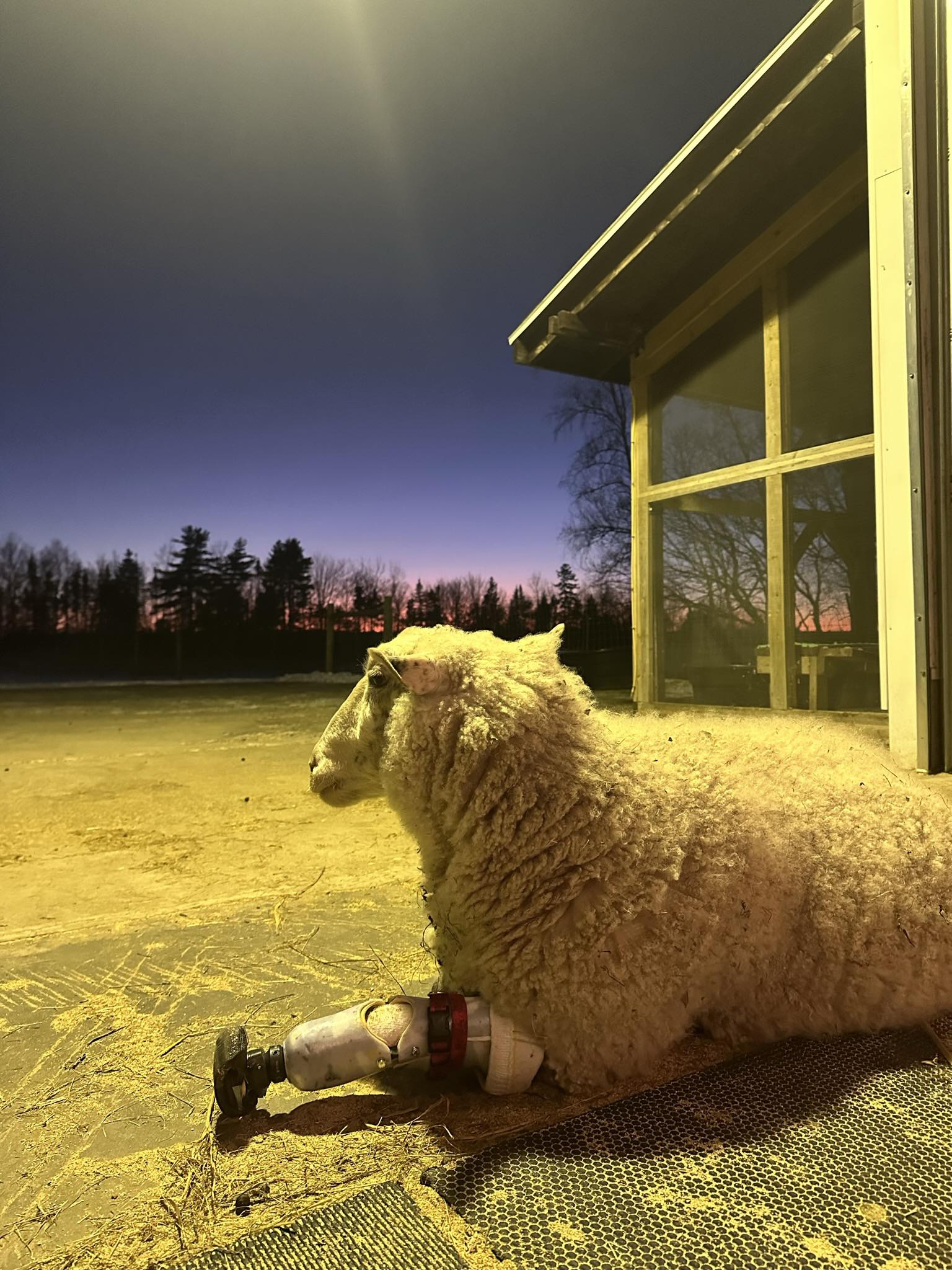
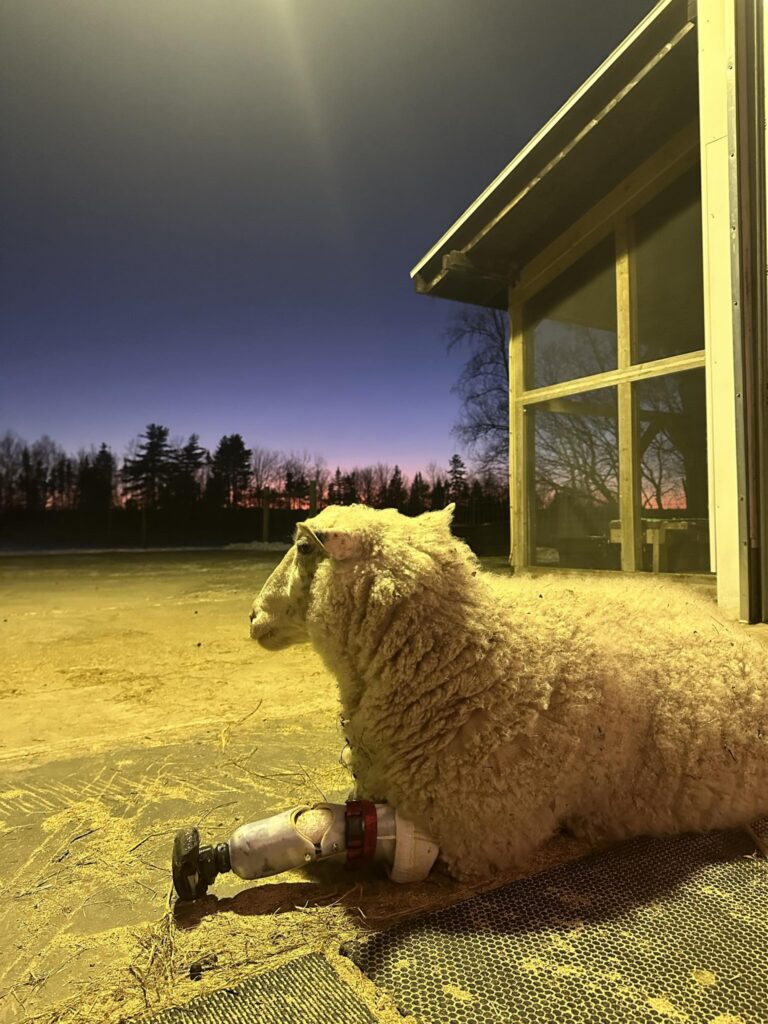
That’s what it costs tax payers to provide care to animals like Nancy.
Nancy, who needed a vet to assess her overall condition when she came into our care.
A vet who helped design Nancy’s diet to help her achieve a healthy weight.
A vet who helped treat infection in Nancy’s stump.
A vet and a lab who helped diagnose the cause of Nancy’s recurring pneumonia.
A vet who helped Nancy peacefully cross the rainbow bridge when treatment couldn’t help her any longer.
Is animal welfare, and the suffering of those who care for these animals, worth 0.032% of a budget?Because that’s what’s being cut.
This needs to be said clearly, because there’s a misconception floating around.
Government veterinary services in New Brunswick are not free. They are paid services. But like many essential public services, the program does not fully recover its costs through fees. Has anyone looked at whether it can?
At Lily’s Place Animal Sanctuary alone, we spent $24,519.05 in 2025 on veterinary care, medications, and lab services. That includes both provincial services and specialized care through Atlantic Veterinary College.
So this is not about eliminating a “free” service. It is about removing an essential, structured, and reliable service in a province where the private sector has never been able to fully replace it.
We’ve experienced private care in Ontario.
When profit is part of the decision-making, service becomes less obligatory. Care is no longer guaranteed. It becomes conditional.
It depends on what a corporation decides service hours are.
It depends on whether someone is willing to drive two hours to assess an animal.
It depends on profitability.
You may be seen, or you may not.
In New Brunswick, the current system is different.
There is an obligation to respond. That matters more than anything.
When an animal is suffering, you don’t need optional care. You need dependable care. You need a system where someone shows up.
When services move fully private, that obligation disappears. And in a sparsely populated province, that is not a small shift. It’s the difference between care being available, and care simply not existing when it’s needed.
There’s something else at stake here.
Disease prevention.
Every other province relies on strong, coordinated veterinary laboratory systems to monitor, detect, and respond to disease. But that doesn’t appear to be the direction New Brunswick is taking.
That work doesn’t just protect animals. It protects people.
Zoonotic diseases, the ones that move from animals to humans, are not theoretical risks. They are how many outbreaks begin. Early detection, testing, and coordinated response are what prevent small issues from becoming large ones.
That system requires infrastructure. It requires consistency. It requires coordination. It’s not something that naturally emerges from a patchwork of private providers.
This isn’t theoretical for us, it’s part of our weekly routine.
Just this week, we dropped off fecal samples for routine screening. That’s standard practice when you’re caring for animals responsibly. We also had a turkey pass unexpectedly this week. As difficult as that is, we did the responsible thing and brought Quinn in for a necropsy to better understand what happened. If it was preventable, to make sure it doesn’t happen again. But also, to determine whether there is any risk to the rest of the birds here.
That’s how you protect a flock. That’s how you prevent disease from spreading.
Right now, that system works because there is a coordinated network of provincial vets and laboratory services supporting it.
Because we do disease screening on new intakes, we have a small flock of sheep that are kept separate from the main flock. These sheep tested positive for Maedi-Visna. It’s not zoonotic, and it’s not a death sentence, but we don’t want to risk infecting the rest of the flock. By keeping a close eye on them, we’re able to monitor for any signs of disease progression and respond appropriately
That’s what responsible care looks like.
If access to testing, lab work, and field expertise becomes fragmented or harder to access, disease risk doesn’t stay contained. It spreads.
Then there’s the reality of what’s being asked of the private sector.
Starting and operating a large animal veterinary practice is not simple. It requires significant upfront investment, specialized equipment, vehicles, inventory, and the willingness to travel long distances at all hours.
And even now, we don’t have enough vets.
According to the Minister of Agriculture, one veterinarian has expressed interest in starting a private practice.
One.
Just one.
While it’s still early, the majority are considering leaving.
So we have to ask an honest question.
If privatization is so easy, so viable, and so profitable… Why isn’t it already happening?
Because hope is not a strategy.
What’s especially telling is this: I have not spoken to a single person who actively cares for large animals who thinks this is a good idea.
Not one.
The support seems to be coming from people who are removed from the day-to-day realities of animal care in rural New Brunswick.
So we have to ask, plainly: Is this really where we draw the line?
Because on the other side of this decision are real animals. Animals humans brought into the world. Animals who rely entirely on humans to meet their needs.
This isn’t about preference.
It’s about whether they receive care at all.
I think Nancy deserved that care. Don’t you?
Written by Tim Clancy, Lily’s Place Animal Sanctuary Co-Founder & President.
Discover more from lilysplace.ca
Subscribe to get the latest posts sent to your email.
Resident Updates (all)
How to help
Gracie, Sid, Annie, Punky, Johnny, June, Millie, Emma, Penelope, Bob, Josie, Rosie, Rory, Charlie, Moose, Claire, Nancy, Betty, Meadow, Avril
sheep
Will Feral, Gabby
cats
goats
Tardy
horses
ducks & Geese
Sunny, Maple, Broom Hilda, Sage, Ursula, Astrid, Viola, Edith, Opal, Goldie, Rose, Blondie, Elsa, Pearl, Camilla, Amelia, Emma, Unicorn, Dorothy, Larry, Olivia, Ally, Stella, Dora, Celeste, Hart, Minty, Lucy, Little Miss, Chickpea, Piroska
hens
turkeys
Bandito, Professor Peapod, Mr. T, Black Beard, Ebenezer, Mr. Pink, Mr. Blue, Mr. Green, Mr. Orange, Watson, Mitch
roosters
Barbara, Lydia, Delia
Quail
Animal Rescue
Action Items
Categories
Sanctuary Updates
Newsletters
Looking Deeper
Categories
Categories