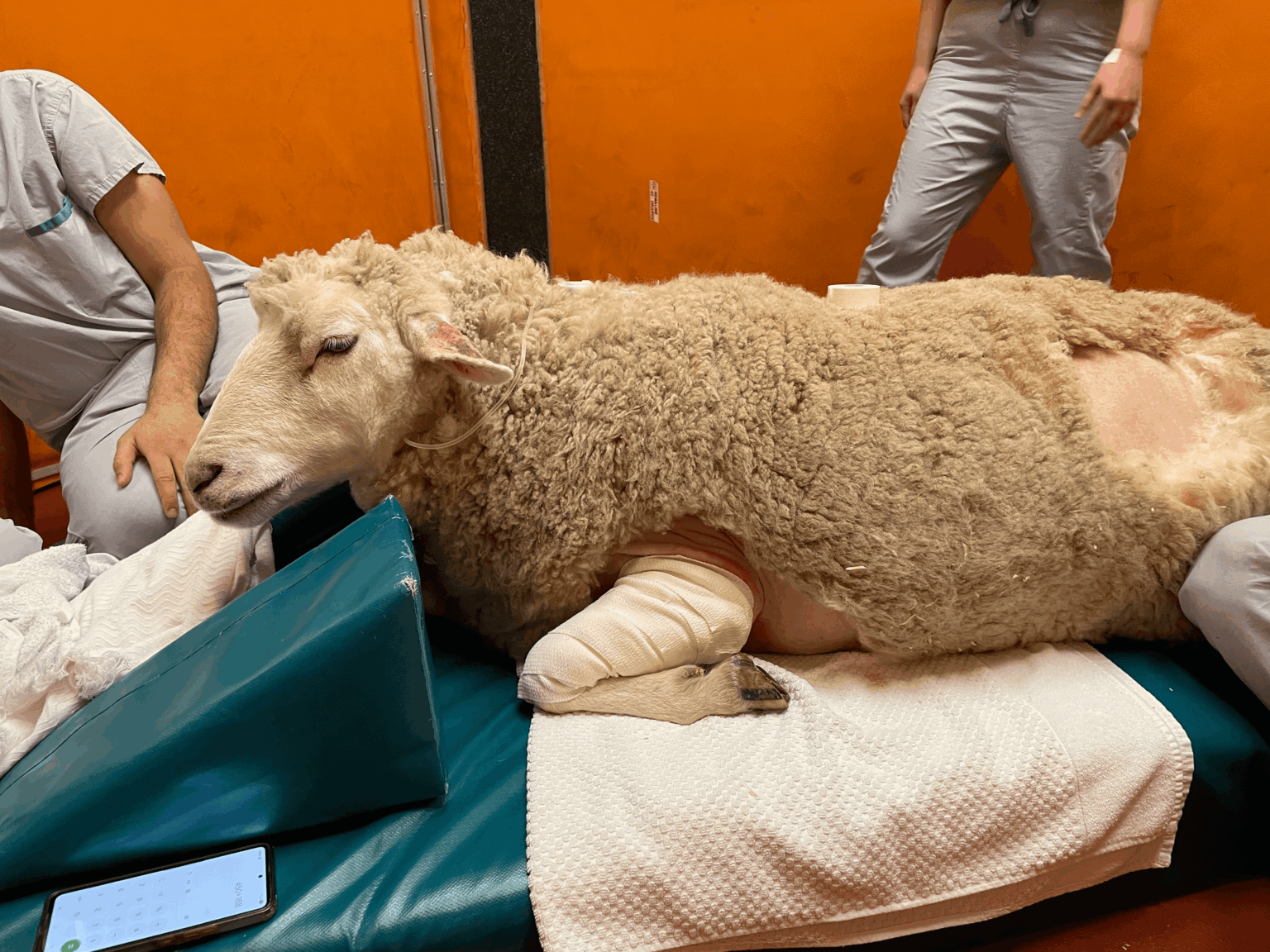
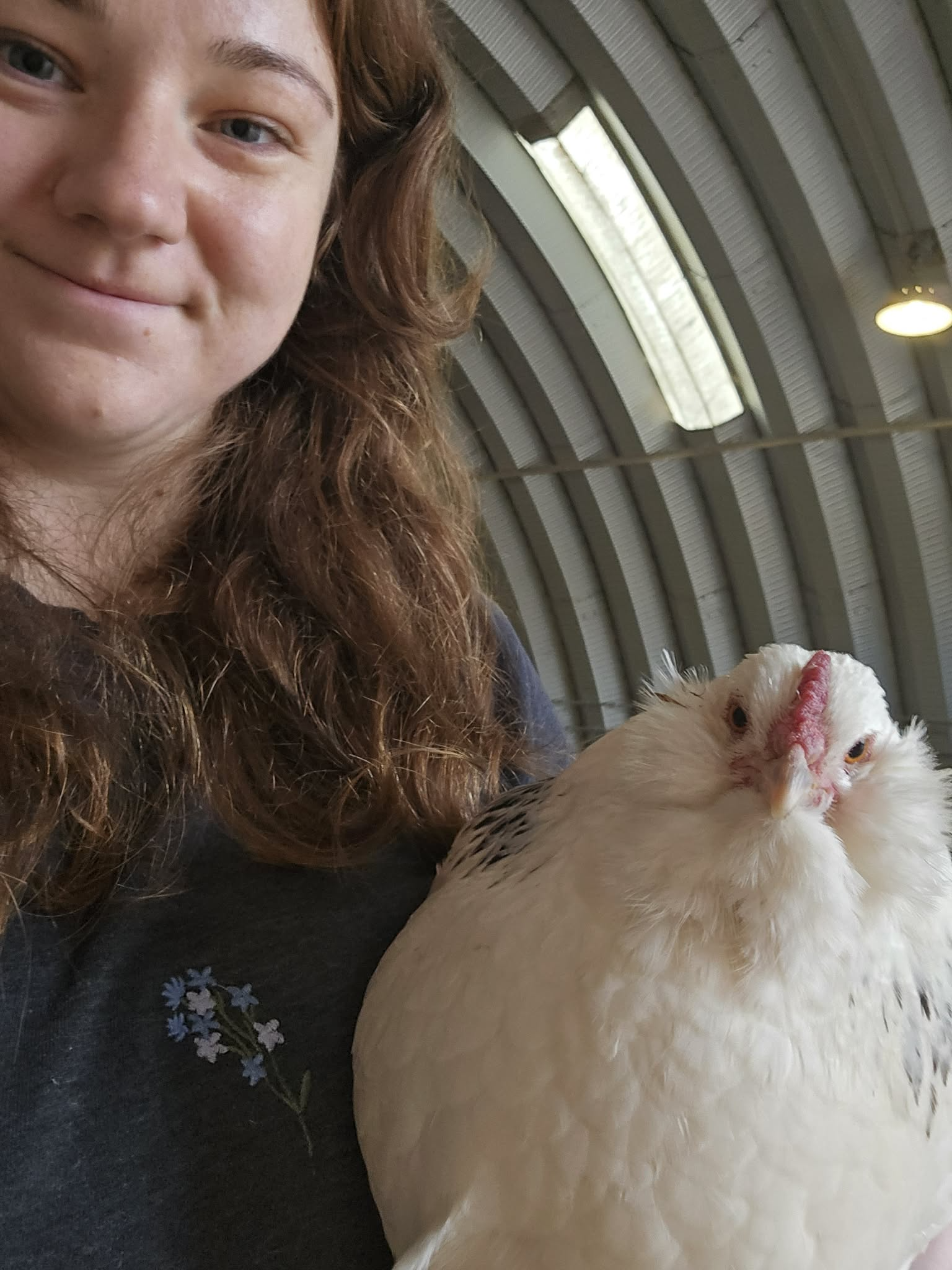
Rosie was featured on CTV news again! Find both her features to see her progress.
CTV News Coverage

Sanctuary Spotlight
One person can truly make a difference, and if you're ready to help, that person can be you!
Urgent Action Items


NB Provincial veterinary services are about more than veterinary care
March 28, 2026
Lily's Place
/
Blog
/
Date posted:
A lot has already been said about the practical reasons New Brunswick should keep provincial veterinary services and lab support. People have pointed out the obvious and important things: access to care, response times, testing, disease monitoring, and what happens when animals need help, and there is nowhere realistic to turn.
All of that matters. A Lot. Which is why there is a collection of posts about NB vets & lab services growing on our blog.
Today, though, I’d like to explore another side to this conversation.
Public services
exist to solve
practical problems.
However, public services don’t only exist to solve practical problems. They also reflect what a province is willing to take responsibility for. They tell us what kind of suffering we take seriously, what kinds of gaps we think should be filled, and whether our sense of responsibility extends beyond whatever affects us personally.
That may sound like a bigger claim than “veterinary services,” but it really is not.
Because the moment people start asking, “How does this benefit me?” in response to services that reduce suffering, support care, and hold together a fragile system, we are no longer only talking about veterinary access. We are talking about what kind of standards we still expect a community to keep in place.
Beyond the practice side is
what losing these services
says about us.
New Brunswick’s own animal-protection framework reflects that animal welfare is not treated as a purely private matter. It depends on standards, investigation, enforcement, and systems that exist outside individual goodwill.
When a province decides services like this are expendable, it is not only changing how care is delivered. It is also showing people what kinds of suffering they may be expected to deal with on their own and with less support than before.
So while much of the conversation is about the practical losses, people are also reacting to what the loss says about who we are as a collective group.
New Brunswick has been wrestling with these questions for a long time.
One of the more useful things I came across while thinking through all of this was an older study on animal ethics in New Brunswick.
Since it’s an older study, I won’t pretend it tells us exactly what New Brunswickers believe today. But it does show that this is not a new question here.
In “A study of animal ethics in New Brunswick”, Beverley J. Schneider (link) examined seven animal-interest groups in the province, including veterinarians, farmers, hunters, trappers, animal-welfare advocates, companion-animal owners, and naturalists. She found no single, neat consensus, but she also concluded that a “new ethic” toward animals was emerging in New Brunswick society, especially among animal-welfare, companion-animal, veterinary, and naturalist groups.
The study also found that the groups with the highest sense of ethical responsibility were the ones most willing to take action to reduce suffering and improve conditions for animals.
That shows us that animal welfare is not some fringe concern that suddenly appeared out of nowhere.
Concern for suffering, responsibility toward animals, and the idea that those responsibilities sometimes require action have been part of New Brunswick’s ethical landscape for a long time.
That helps explain why this conversation is bigger than one budget line. The pushback about these cuts points to a deeper question: what do we actually believe we owe vulnerable beings who depend on human systems for their well-being?
Why this matters beyond “animal people.”
One of the strangest parts of this conversation has been how often people talk as though this is only relevant to people who happen to care deeply about animals.
If animal welfare were simply a “hobby” or “passion,” it wouldn’t be considered charitable under our laws.
CRA’s guidance on animal welfare charities says that promoting animal welfare can be charitable in part because it promotes the moral or ethical development of the community. It also says that helping animals in need provides an intangible moral benefit to humanity in general, and specifically notes that rescue organizations, shelters, and sanctuaries often fall under this category.
That is worth pausing on.
The public benefit is not only that animals are helped. The public benefit is also that a community is shaped by how it responds to vulnerability.
That means organizations like Lily’s Place are not only filling care gaps for animals. They are also part of the social fabric of a community. They model something in public. They help make visible the idea that suffering matters even when it is inconvenient, rural, expensive, or not happening in your own backyard. That is not an inflated claim. It is one of the reasons animal welfare work is recognized as charitable in the first place.
Animal welfare is tied to human safety, too
There is another reason this issue should matter to people who do not think of themselves as “animal people.”
Animal welfare is not sealed off from the rest of community life.
Research has repeatedly found links between violence toward animals and violence toward people. A review published in 2020 described animal cruelty and family violence as interconnected problems and argued that professionals who encounter one may be in a position to notice the other.
Research links
- Understanding the Link between Animal Cruelty and Family Violence: The Bioecological Systems Model 2020 (LINK)
- The Link between Family Violence and Animal Cruelty: A Scoping Review 2022 (LINK).
It’s worth mentioning that the Safe For Pets Too program in New Brunswick exists because pets and farm animals can quickly become part of domestic violence dynamics and safety planning. The program provides temporary shelter and veterinary care for pets belonging to people leaving abusive situations, and it explicitly highlights the link between animal abuse and violence toward humans. It also includes farm animals in its scope.
That matters because it reminds us that animal-related systems are not just about animals. They can also be part of how communities respond to fear, coercion, and crisis.
So when people dismiss animal welfare infrastructure as niche or optional, they often fail to realize how many other areas it touches.
Empathy does not just happen
Empathy, responsibility, and concern for suffering do not just appear on their own and then stay in place forever. They have to be taught, practiced, protected, and modelled. That may sound obvious, but it’s worth pointing out.
Research in developmental psychology and social neuroscience has found strong links between empathy and prosocial behaviour. A 2016 review described empathy as a driver of caregiving and prosocial behaviour, and noted that disruption in the systems that process distress cues can contribute to callous disregard for others.
In other words, if someone has trouble recognizing or emotionally responding to other people’s suffering, they may become more likely to ignore it or not care about it.
It does not automatically mean the person is evil or permanently incapable of empathy. It means a disruption in those processes can be one factor that contributes to that kind of behaviour.
Research specific to humane education points in a similar direction. Reviews and program studies suggest that teaching kindness and empathy toward animals can support prosocial development, responsibility, and concern for others, especially when those lessons are reinforced over time rather than treated as one-off messages. (Link 1, Link 2)
There is also newer evidence that empathy toward animals is linked with prosocial attitudes toward humans. A 2024 study found that empathy for animals helped explain the relationship between attachment to pets and prosocial attitudes toward people.
None of this means that every person who cares about animals is automatically kind in every part of life. Human beings are more complicated than that.
But it does support something many people already understand intuitively: how people are taught to respond to vulnerability matters. That teaching happens, in part, through the actions and attitudes modelled, the ways protection occurs, and the values and discussions normalized.
A child notices how adults talk about a hurt animal.
An adult notices whether care is treated as meaningful or foolish.
A community notices whether suffering is met with seriousness or with mockery.
People are always learning from what society is flippant about and what stirs them enough to spring into action. We’ve seen flippant remarks from the minister and a premier who has disregarded real concerns. Yet have you noticed how many New Brunswickers have pushed back against the dismissal of concerns about the loss of vet and lab services? The actions, attitudes, and values they uphold are prosocial, showing a deep concern for others.
Over 30,000 people do not want to support a decision that is about a budget cut rather than the fallout that cutting those services will cause.
What happens when animal welfare is dismissed as a niche issue rather than an important catalyst for developing concern for & preventing suffering of all species in a society?
When empathy is treated as optional, the first sign is not always overt cruelty. It can start with a reduced sense of responsibility for doing what we can to avoid causing harm. Empathy erosion makes it seem normal to shrink our circle of concern; to not worry about anyone outside of ourselves or our immediate family. Once that happens, problems outside our own backyard become “someone else’s problem” and aren’t tied in our minds to how we are all interconnected.
Unless you live completely secluded from every living soul and literally never go anywhere for anything, you, like all of us, do not live separately from your broader community.
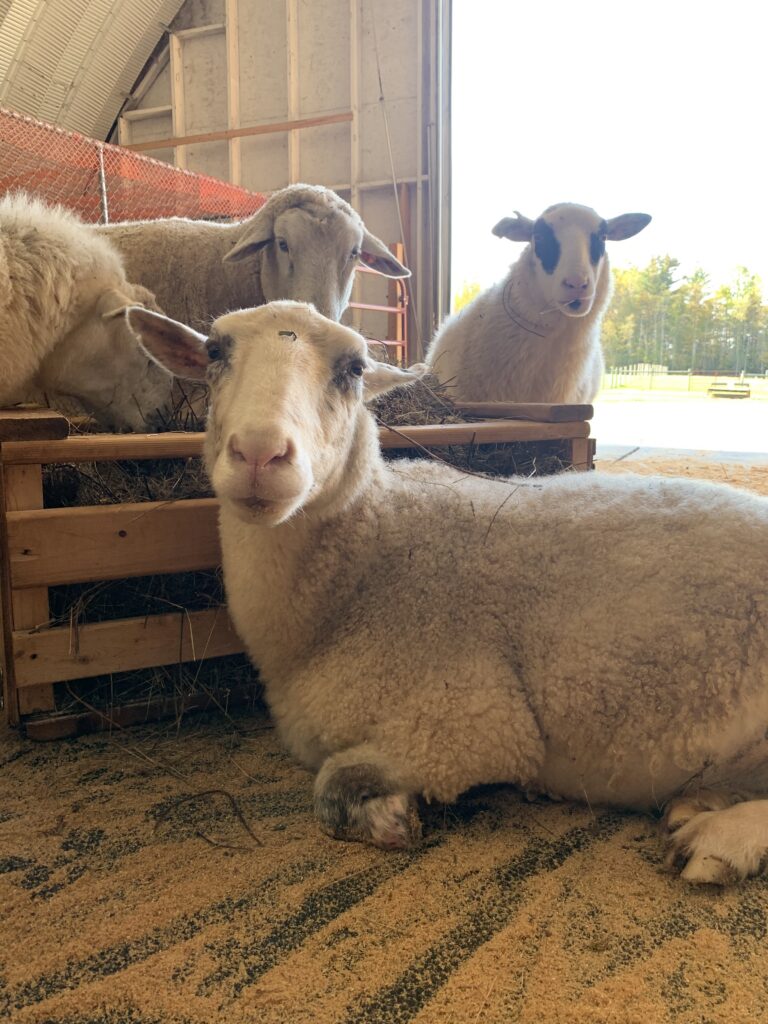
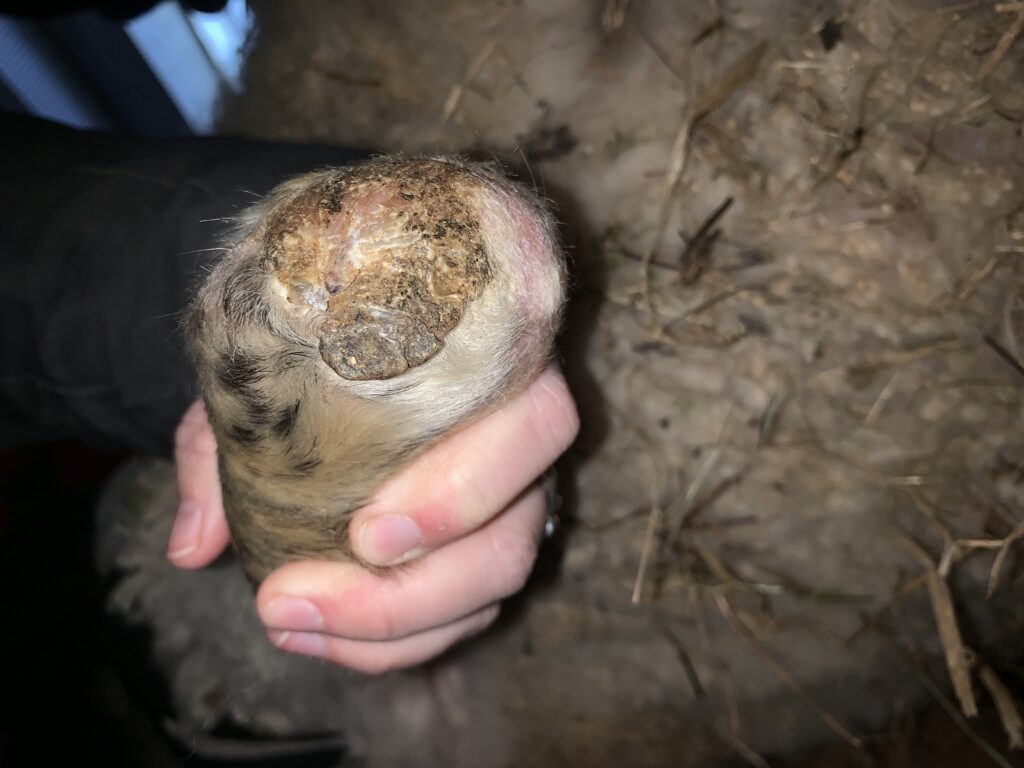
My point is that what reduces empathy in one area has a ripple effect on the rest of us, whether we want to acknowledge it or not. The signs of empathy erosion (or that empathy was never fully developed in the first place) are apparent in the comment sections of posts about the loss of provincial veterinary services. The biggest red flag is the question “What’s in it for me?!”
I’m not saying public spending should never be questioned. Of course it should be. But that question also reveals the standard being used. If something only matters when it benefits the commenter directly, then public responsibility has already been reduced to private self-interest.
And that’s not the foundation on which a healthy community is built.
What happens when a community tries to build on a foundation like that? Research on family violence and animal cruelty shows that harms cluster, warning signs are missed, and suffering is easier to minimize. Research on empathy and prosociality shows the other side: when empathy is reinforced, people are more likely to respond with care.
What organizations like Lily’s Place are really doing
People often talk about charities like ours as though we are simply stepping in where there is need.
That is true, but it is not the whole truth.
Charities also help maintain a basic standard of response by ensuring that suffering is not ignored, minimized, or treated as someone else’s problem.
A sanctuary is not only a place where animals are cared for. It is also a place where people see what care looks like in real life: ongoing, inconvenient, costly, and still worth doing.
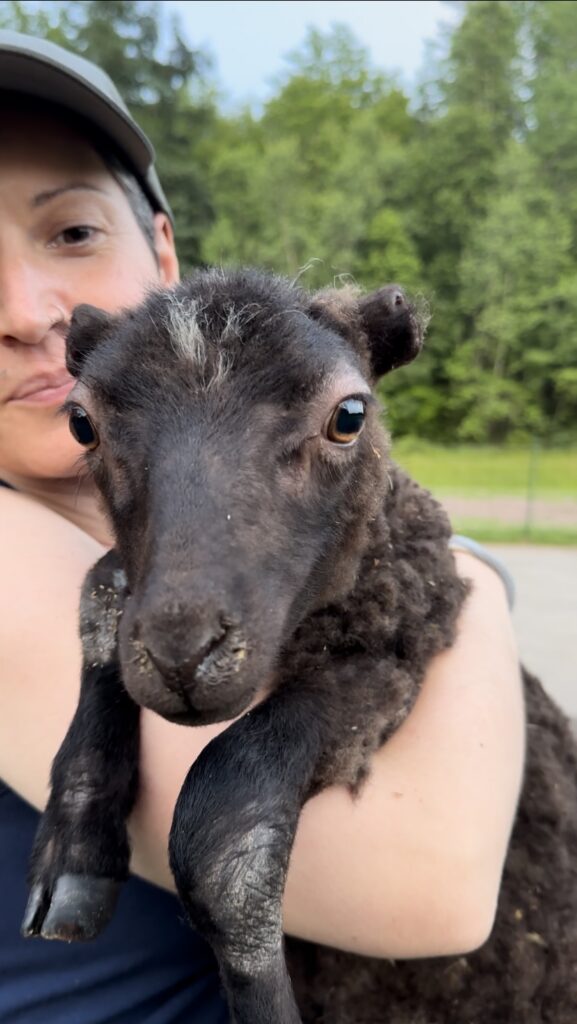
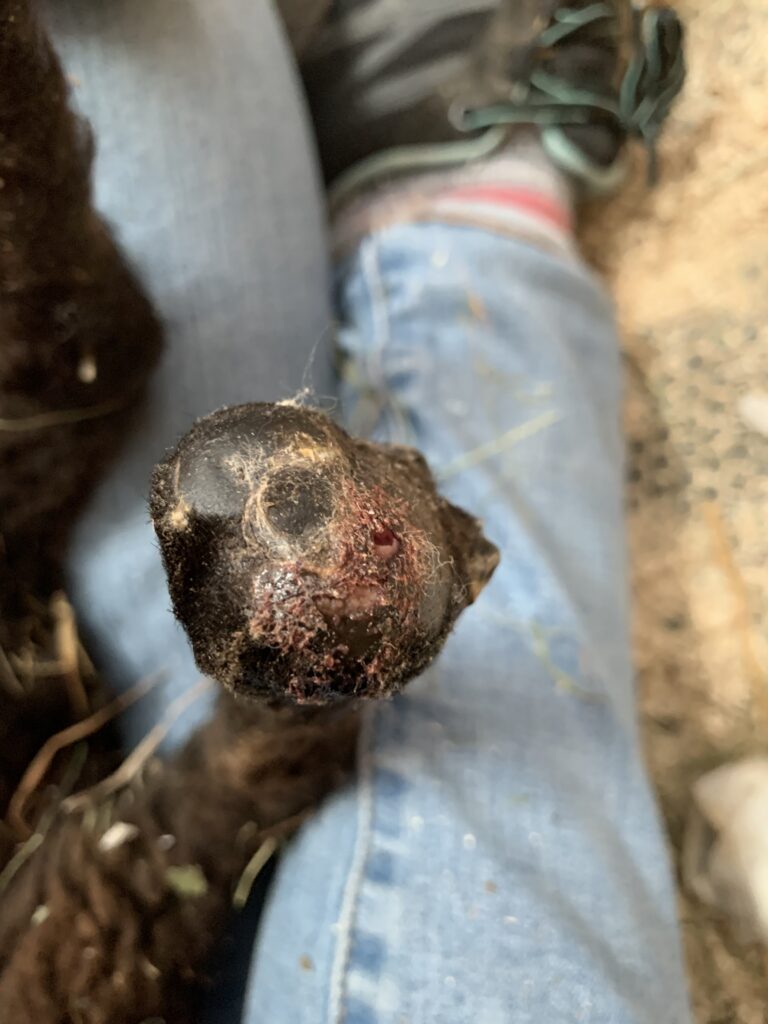
Volunteers who help change Rosie’s shoes and socks each day learn that vulnerability is not a joke.
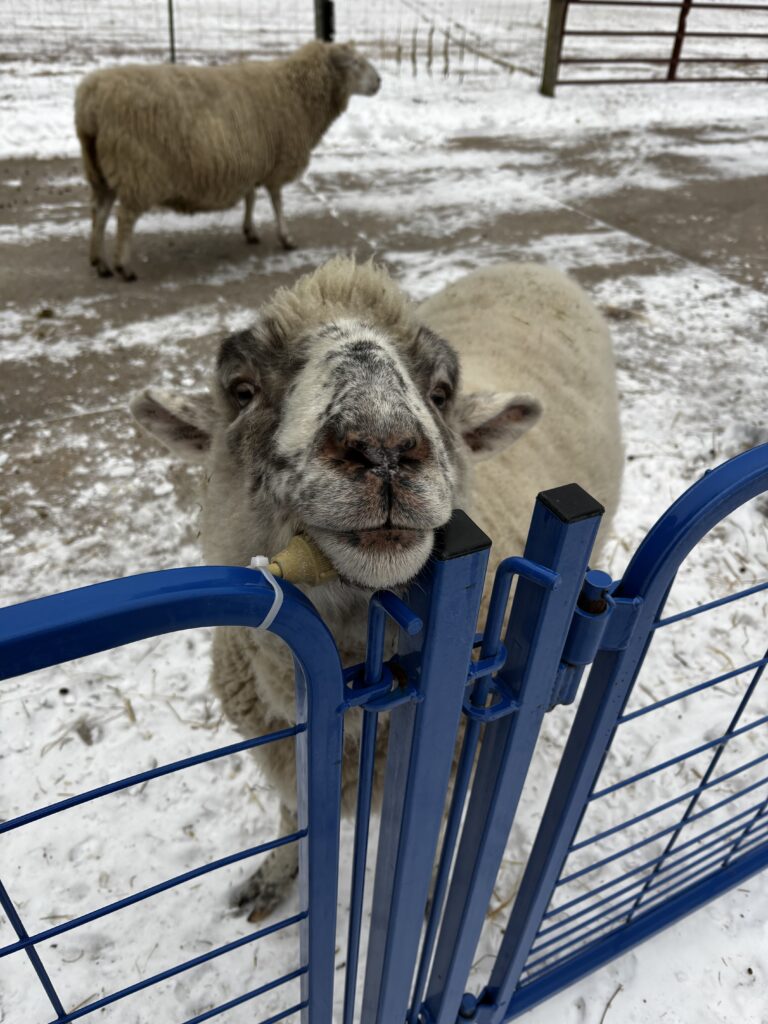
Community members who hear why Ellie and Klaus found their way here know that this work helps people as much as it helps animals.
Those who were lucky enough to have met Nancy didn’t need to explore all the nuances of her story to know that her level of suffering shouldn’t have happened, let alone been hidden for so long.
These are just a few examples of why giving up on growing our circles of concern, nurturing empathy, and growing compassion is never a waste.
Everyone benefits from that.
This is part of why the CRA says that animal welfare charities can promote the moral and ethical development of the community; it points to the public effect.
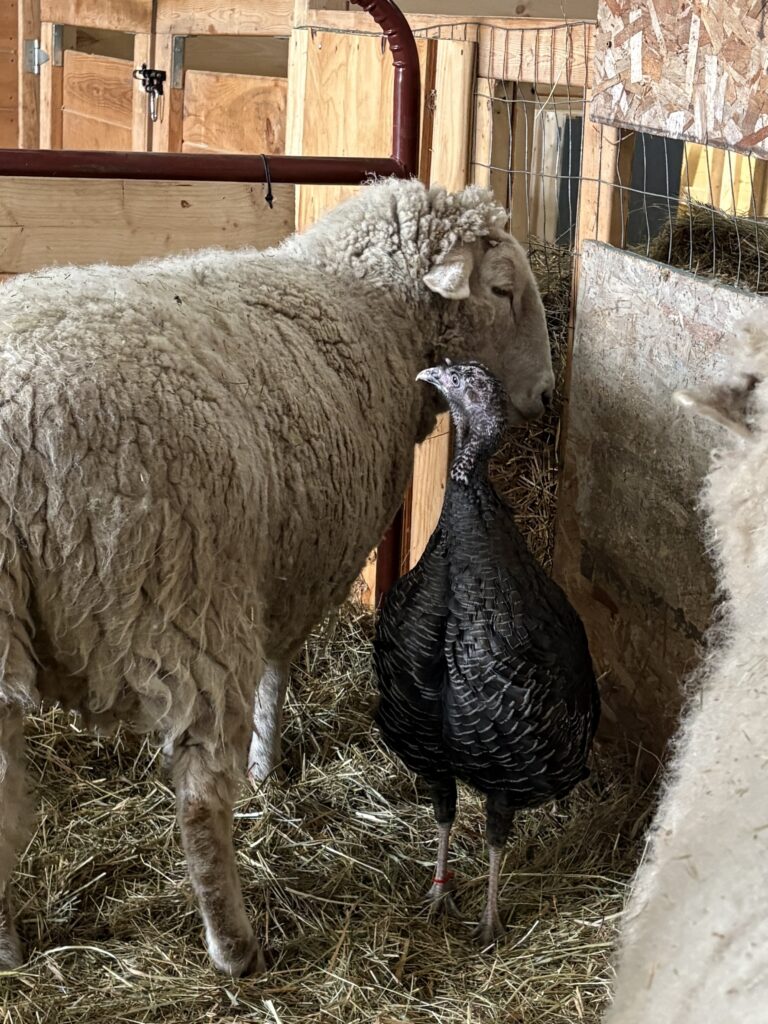
So how does it benefit you?
By ensuring NB maintains a basic standard of compassion and public responsibility. By reducing avoidable suffering. By recognizing that some services are important, regardless of whether the need for them lands in your backyard.
Key takeaways
- These services matter because they support care, testing, disease monitoring, and rural access.
- But they also matter for a less obvious reason: they show what a province is willing to take responsibility for.
- Animal welfare is tied to broader community wellbeing.
- Empathy, responsibility, and concern for suffering do not simply appear and stay in place. They are shaped by what people see, what communities model, and what society treats as worthy of protection.
- The deeper issue here is not only whether these services are useful. It is whether New Brunswick wants to be a place where preventable suffering is taken seriously.
Discover more from lilysplace.ca
Subscribe to get the latest posts sent to your email.
Resident Updates (all)
How to help
Gracie, Sid, Annie, Punky, Johnny, June, Millie, Emma, Penelope, Bob, Josie, Rosie, Rory, Charlie, Moose, Claire, Nancy, Betty
sheep
Will Feral, Gabby
cats
goats
Tardy
horses
ducks
Sunny, Maple, Broom Hilda, Sage, Ursula, Astrid, Viola, Edith, Opal, Goldie, Rose, Blondie, Elsa, Pearl, Camilla, Amelia, Emma, Unicorn, Dorothy, Larry, Olivia, Ally, Stella, Dora, Celeste, Hart, Minty, Lucy, Little Miss, Chickpea
hens
turkeys
Bandito, Professor Peapod, Mr. T, Black Beard, Ebenezer, Mr. Pink, Mr. Blue, Mr. Green, Mr. Orange, Watson, Mitch
roosters
Barbara, Lydia, Delia
Quail
Animal Rescue
Action Items
Categories
Sanctuary Updates
Newsletters
Looking Deeper
Categories
Categories